Charlie Kilo·Founder·June 2026
Eating Shopify leftovers
Every D2C storefront produces demand data around the clock. Product being viewed, categories selling, which sizes, regions and rates. It lands in a BI dashboard in the back office, where marketing teams and their AI armies analyze every metric. Most weeks nobody else opens it.
Today, the d2c data story ends there, but it shouldn't.
The person who could actually use that data is the retail buyer. They order for a store in one specific region, the same region where the brand is already selling D2C.
Retail buyers order on instinct for what customers want today, and their best data is what customers wanted last year. When the instinct is wrong the cost is returns or markdowns, and both sides pay for it. Real time demand data closes that gap before an order gets placed. Brands agree. Buyers agree. Until now there has been no way to get it in front of them.
Brio integrates with D2C's Google Analytics and Shopify to turn the storefront signal into a store fit score on each product in the catalog. A buyer browsing the line sees which products are moving where their store actually is, what customers are searching for before they push go. A rep walking that buyer through the line sees the same score and can point to it.
Here is what it looks like on screen. A shop in Scottsdale opens the fall catalog from Patagonia. The buyer is placing a $40,000 pre-book and has the Nano Puff Hoody in Smolder Blue penciled in for 120 units because it did fine last year. It shows a 38% store fit, with D2C sales down 22% across the Southwest this quarter. Next to it, the same jacket in Burnished Red shows 92%, up 64% in the same region. They cut Smolder Blue to 40 and move units into red.
Yum
Before the shop has spent a dollar, they know regional customers already want what they’re stocking.
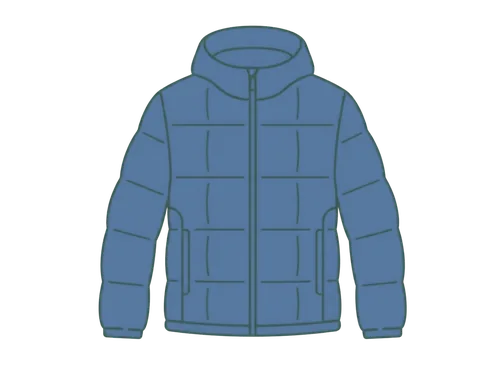
Nano Puff Hoody
Smolder Blue
D2C −22% · Southwest, this quarter
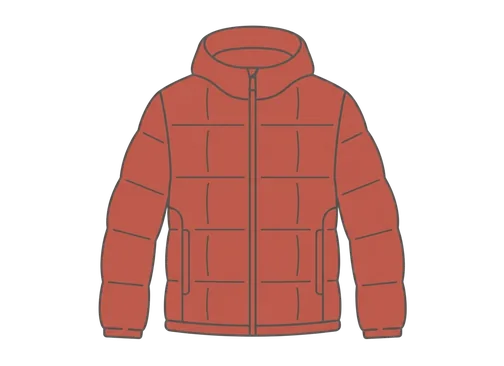
Nano Puff Hoody
Burnished Red
D2C +64% · Southwest, this quarter
Safely share
In a way, brands already share this data. Sell through gets pulled into a report, presented at the sales meeting, and reps carry it out to retailers by phone and memory. By the time it reaches a buyer it's a quarter old, and orders get placed on that story rather than live signal.
The other problem is the rep, who might carry fifteen brands. Nobody keeps fifteen sell through reports in their head. They are not rereading a deck every time they walk into a store. So the information the brand paid to produce gets thinner every step it travels.
Brio sends the same signal, live, with exposure controls. The buyer sees a score and a direction for their own region, and nothing else: no revenue, no unit counts, no other retailer's orders. The brand decides what feeds the signal and can switch it off any time. The rep still has the story. Now the buyer has data-driven demand to go with it.
In my first post I said wholesale doesn't have a data problem. This is a good example. The data exists, but it isn't addressable, so it isn't actionable. Fit score is just one way we’re fixing that.
Recommendations
The score on the product card is visible. The same signal is what we are building the agent's reasoning layer around. When a buyer asks Brio's agent what they should carry for spring, or Brio drafts a reorder, we want it working from real sell-through the brand has verified. Coupled with the retailer's sell through history, Brio can pattern match against historic transactions, track emerging demand, and see sell through opportunities before they exist.
And the agent can use it right away.
Draft: cut Smolder Blue to 40, move 80 units into Burnished Red. It is outselling it three to one in this region.
Ask what is moving in the Southwest and the answer has something behind it. In the Patagonia example, a draft order would cut Smolder Blue and move the units into Burnished Red, and say why: it is outselling it three to one in that region. That layer is in progress, and this feed is one of the first things it will stand on.
Charlie